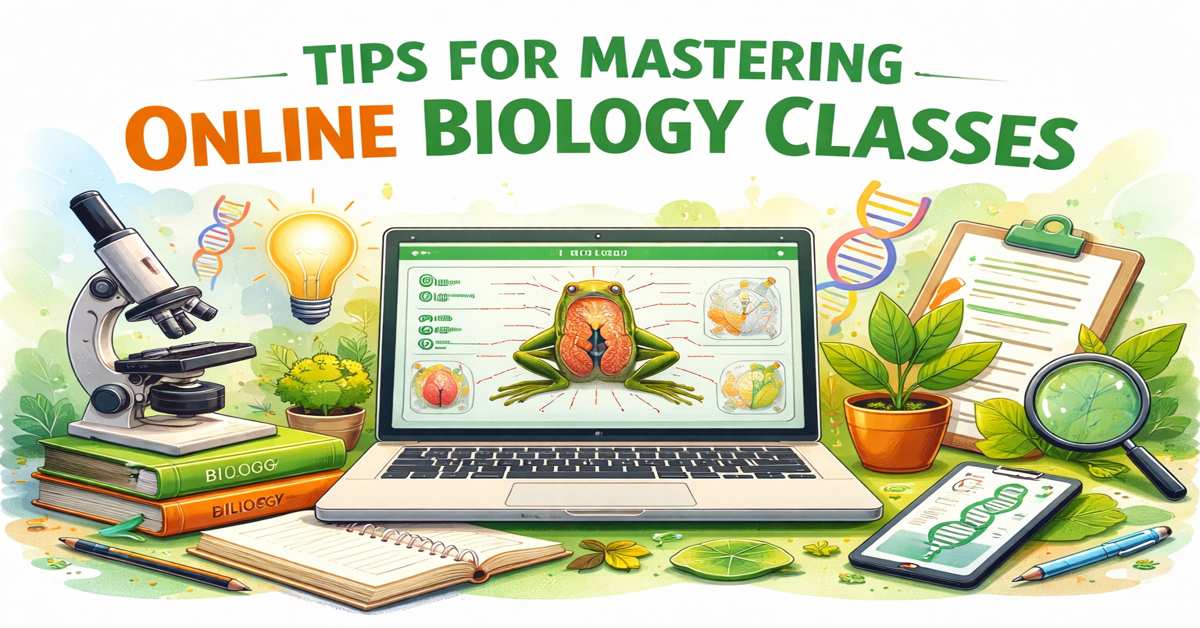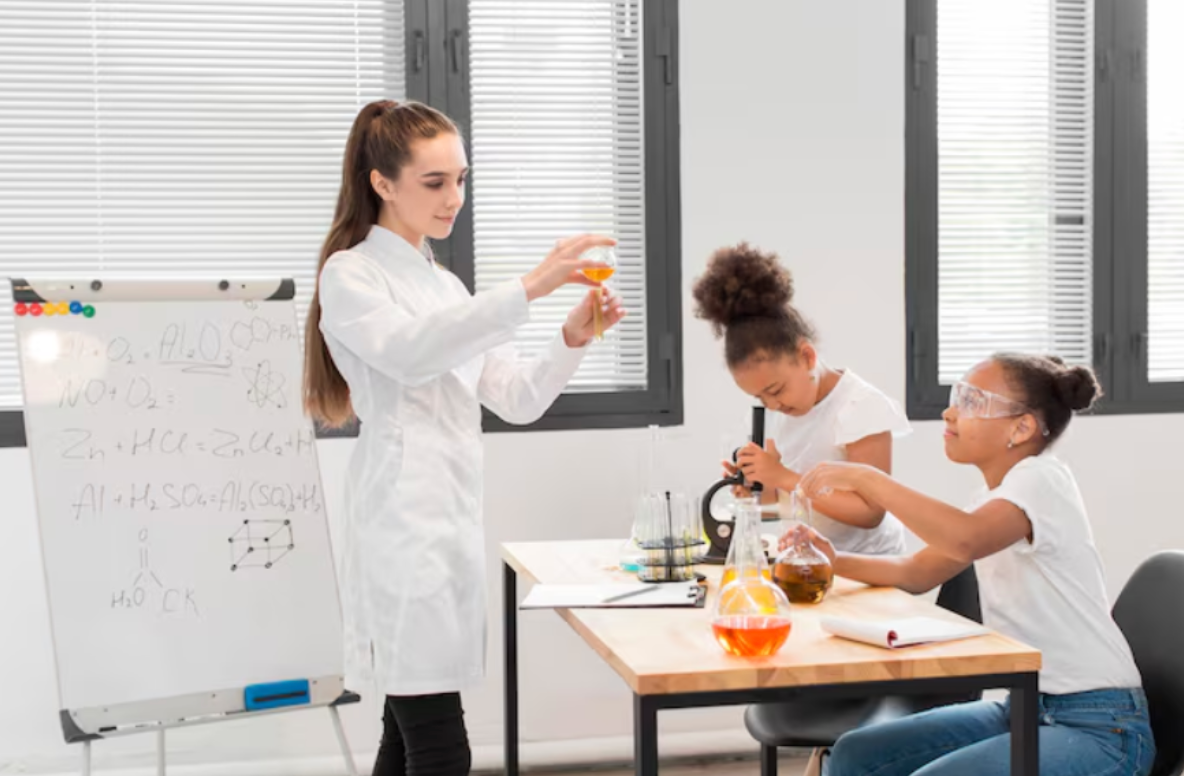

With the advancement in technology, education is evolving very fast because it has become an inevitable component of learning. The conventional classroom setting is changing to incorporate electronic equipment, web-based materials, and interactive learning environment. With the help of these innovations, teachers can reach new students and make the learning process more interesting. There is also access to other information outside the classroom which is facilitated by technology to assist students in critical thinking and problem solving. The future of education is based on equipping learners to deal with the real-life challenges through integrating knowledge and creativity, as well as adaptation.
Online and Blended Learning
There is an increase towards online learning and blended learning models. Learners are able to study any lesson, assignment, and resource anywhere, and learn in a flexible and personalized manner. Blended learning is a mixture of conventional classroom learning and online lesson which provides students with the best of both worlds. The style does not limit the various learning styles and speeds, and thus all students stand to benefit. This makes the education responsive as teachers are able to monitor progress digitally and give timely feedback.
Interactive and Immersive Technologies
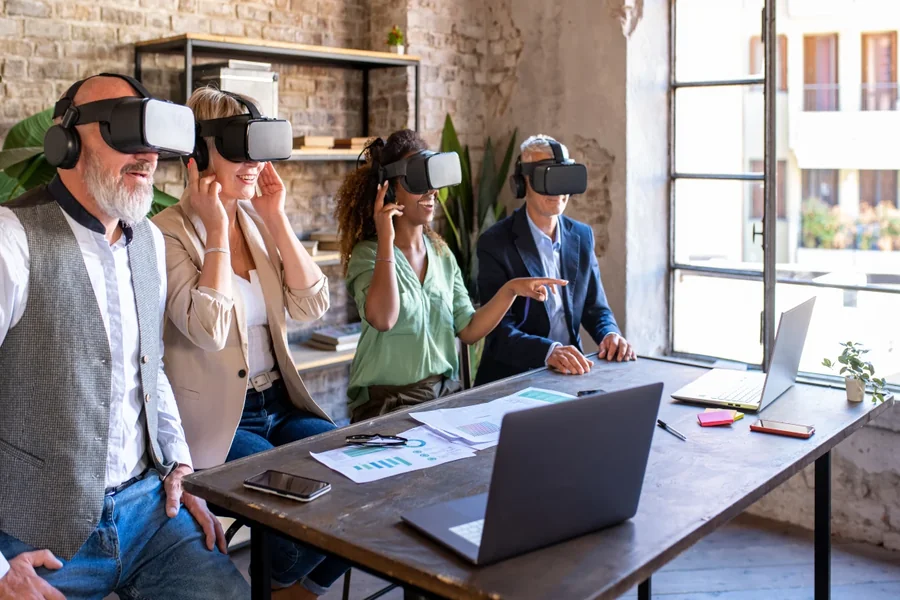
Virtual reality, augmented reality, and simulations are interactive technologies that are changing the mode of learning among students. The tools are used to generate immersive experiences that simplify the complex concepts. The examples include virtual field trips of studying history events or 3D anatomy models in which students can learn both history and anatomy at the same time. Interactive technologies enhance the interest and retention making students learn through doing. They also assist the teacher to offer creative presentations of information thus making the lessons more memorable and enjoyable.
Artificial Intelligence in Education
The use of artificial intelligence is taking over modern education. Personalizing learning can also be done with the help of AI as it examines student performance and proposes specific activities or resources. It has the potential of automating the administrative functions, which will allow teachers to spend time on teaching. It is also possible to have AI-driven tools provide instant feedback to the students and allow them to improve their skills better by understanding their mistakes. With the implementation of AI in classrooms, educational processes will be more efficient, flexible, and able to address the needs of individual students.
Collaborative and Global Learning
Technology enables collaborative and global learning opportunities. Students will be able to cooperate with students of other schools or countries, which will contribute to cross-cultural awareness and teamwork ability. Exchange of ideas and receive others is easy through online discussion boards, video conferencing and collaborative platforms. Team learning aids students in gaining communication, leadership, and problem solving skills as well as creating a community feel. Global learning equips students with the ability to work in various environments and reason about issues of the world.
Final Thought
Technology and innovation determine the future of education. Online and blended learning, interactive tools, artificial intelligence, and global collaboration are transforming classrooms and making learning more engaging and effective. Educationalists who are ready to adopt such changes are able to develop dynamic learning institutions that equip the students to meet the demands of the modern world. Education is ceasing to use the traditional learning methods but is changing to equip students with skills, knowledge and experiences that help them to win. Technology is not eliminating teachers but is enabling them to improve the learning and help students have a brighter future.
FAQs
How is technology changing education?
Technology allows personalized learning, interactive lessons, and access to resources beyond the classroom.
What is blended learning?
Blended learning combines traditional classroom instruction with online activities for flexible and effective education.
How does AI support learning?
AI personalizes education, automates administrative tasks, and provides instant feedback to improve student performance.
What are interactive learning technologies?
Technologies like virtual reality, augmented reality, and simulations create immersive experiences that enhance engagement and understanding.
Why is global learning important?
Global learning fosters collaboration, cultural understanding, and prepares students for diverse workplaces and global challenges.