
Education is ever-changing to suit the demand of the current students. The traditional approaches to teaching are ineffective to attract the attention of the learners now. Innovative instruction revolves around learning, creative thinking and critical thinking. It also makes students engage, question and practice knowledge as opposed to memorizing facts. This is because teachers are significant in ensuring that an environment is developed where students are motivated and encouraged. Creative approaches also enable the students to be ready to face practical issues as they train them to be problem solvers and flexible.
Project-Based Learning
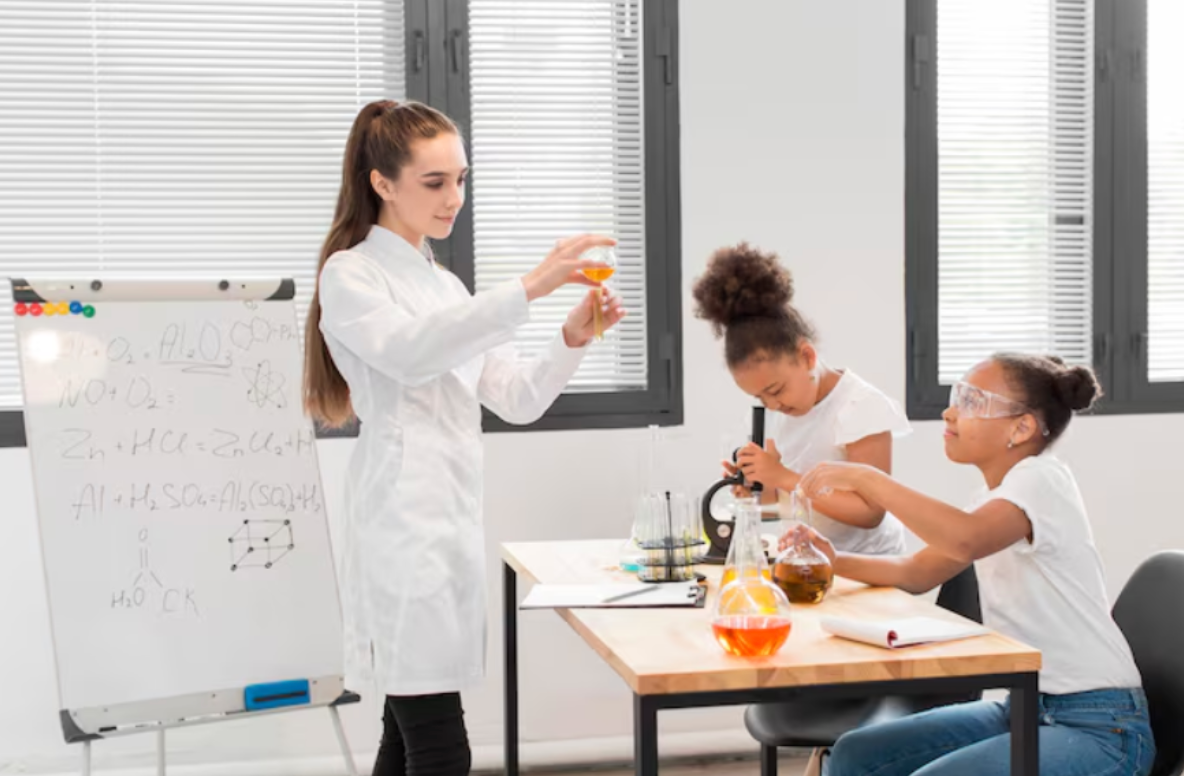
Project-based learning is one of the most effective innovative teaching methods. Students complete real-life projects, which involve research, collaboration and creativity. This will enable the learners to use theoretical learning in real-life scenarios. The teachers lead the process but provide students with freedom to search and resolve problems. Project-based learning enhances engagement, improves retention, and builds essential skills such as teamwork and communication. It also makes the students see how their education is relevant to their daily lives and other future careers.
Flipped Classroom Model
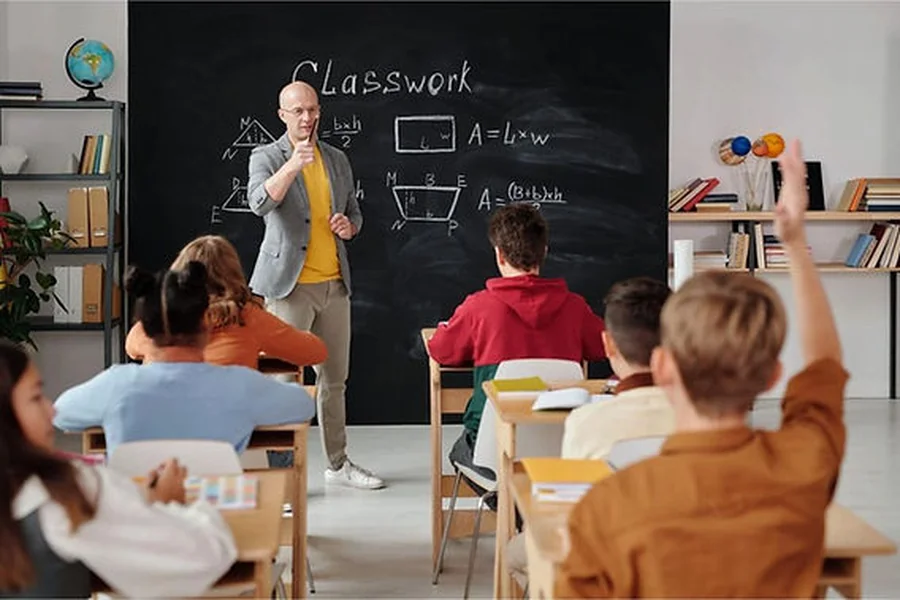
The flipped classroom model changes the traditional learning structure. Students read materials at home, e.g. videos or readings rather than learning new things in the classroom. Discussions, exercises and problem solving activities are then undertaken during class time. This approach enables the teacher to offer individual help and promotes engagement. The flipped classes allow the students to learn according to their learning pace and consolidate their learning with practice. They also create cooperation with fellow peers since students will tend to cooperate with fellow students when doing work during class time.
Gamification in Education
Gamification incorporates the aspect of games into learning to make learning to be more interactive. Students are motivated to be active by the presence of points, badges, and challenges. Gamification enables teacher reinforcement of lessons, monitoring of progress and healthy competition. This is a fun way of learning that facilitates lifelong learning. Gamification can be applied particularly to the learning of topics that might be considered rather challenging or dull, since it introduces an interactive component to the study. Students learn to think and solve problems in a strategic manner and they also remain motivated to attain learning objectives.
Collaborative Learning Techniques
Teamwork is a crucial ability in the contemporary education sector. Collaborative learning techniques encourage students to work together in pairs or groups to solve problems or complete projects. The strategy assists students in learning through one another and acquire communication and leadership abilities. As facilitators, teachers control the discussion, and give feedback. Group learning creates a communal feeling in the classroom, enhances the level of engagement as well as equips students with social and emotional competencies, which are vital to achieve success in life.
Final Thought
Creative pedagogies are revolutionizing learning and developing contemporary learning environments in which students excel in. Project-based learning, flipped classrooms, gamification, and collaborative techniques enhance engagement, improve understanding, and build essential skills. Those teachers that embrace such approaches establish vibrant learning institutions where students are equipped to deal with the future. Through innovation, learning is made more significant, efficient, and pleasant to both students and teachers. Education is becoming more inclusive to meet the requirements of all learners and this is an advantage to modern classrooms.
FAQs
What is innovative teaching in education?
Innovative teaching uses creative, student-centered methods to improve learning outcomes and engagement.
How does project-based learning help students?
It allows students to apply knowledge in real-world projects, enhancing skills like teamwork and problem-solving.
What is a flipped classroom?
In a flipped classroom, students learn new material at home and use class time for practice, discussion, and problem-solving.
How does gamification improve learning?
Gamification makes learning interactive and motivating by adding points, challenges, and rewards to lessons.
Why is collaborative learning important?
Collaborative learning develops communication, leadership, and social skills while promoting engagement and teamwork.