Turning Weaknesses into Strengths: A Guide to Personal and Professional Growth
Key Takeaways
- Recognizing your weaknesses is essential for ongoing personal and professional development.
- Employers seek individuals who can admit shortcomings and proactively improve.
- Setting goals, seeking feedback, and embracing continuous learning are all effective approaches.
Growth, both personally and professionally, begins with an honest look inward. Recognizing your abilities is important, but understanding your weaknesses can be even more transformative. When you acknowledge what holds you back, you open the door to strategies that can help you turn setbacks into opportunities. Early in your journey, it can be helpful to explore frameworks for answering what are your weaknesses? So you can begin thinking proactively about self-improvement.
Accepting your shortcomings is not a sign of defeat. It is an invitation to grow. The process of reflection and aspiration leads to greater self-awareness, sharper focus, and more productive relationships. In both life and the workplace, the drive to address your limitations sets you apart from those who remain complacent.
Self-aware professionals are valued by employers, and individuals who continuously strive for growth often find more satisfaction in their pursuits. The strategies you choose, like setting specific goals or seeking feedback, can make all the difference in your path forward.
By exploring your own areas of weakness and creating actionable plans, you can take control of your narrative and demonstrate resilience in the face of adversity. Genuine growth is possible for anyone willing to embrace this process.
The Importance of Self-Awareness
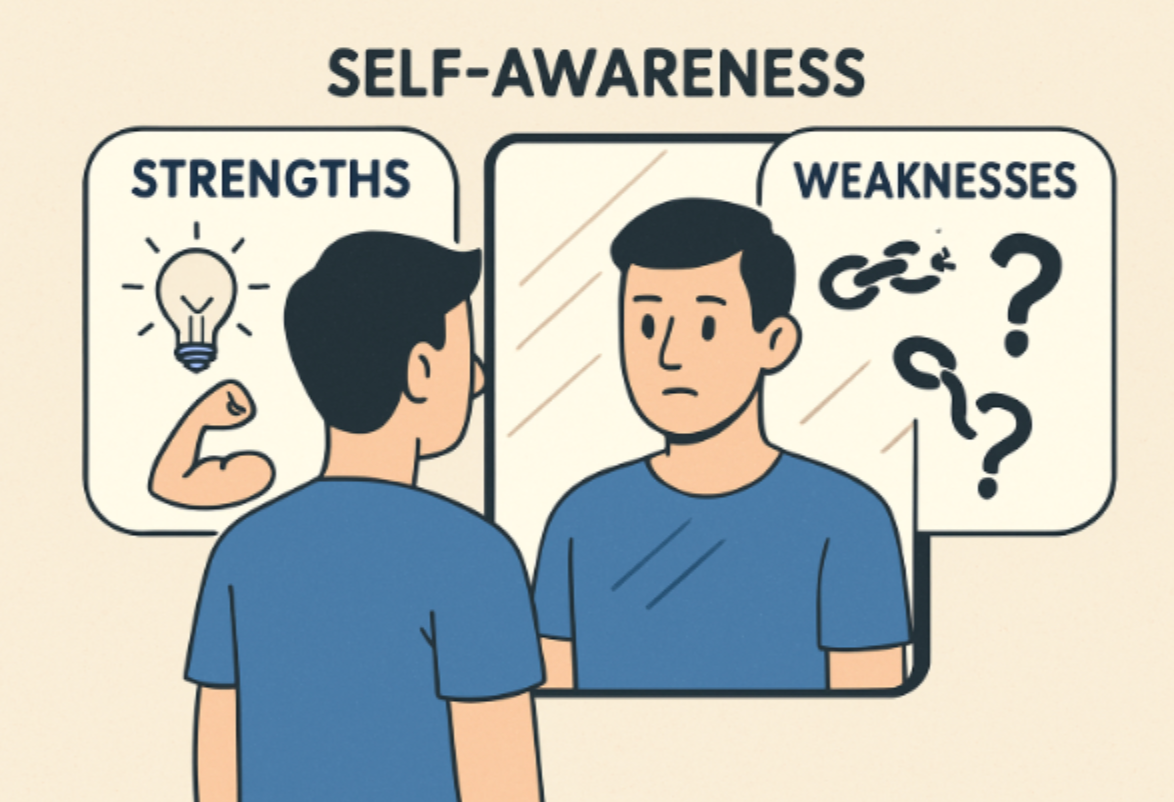
Self-awareness is the foundation on which true growth is built. It involves taking stock of your strengths and weaknesses with honesty and clarity. Those who practice self-awareness understand their emotional triggers, recognize when their skills fall short, and are not afraid to admit when they need help.
This sense of insight is vital in both personal and workplace settings. Leaders who demonstrate self-awareness are often more effective, and teams benefit when each member can openly discuss their needs. By developing this skill, you give yourself the agency to adapt, thrive, and evolve as circumstances change.
Why Employers Value Self-Awareness
When interviewing candidates, organizations look for honest answers to questions about weaknesses. The way you respond speaks volumes about your character and capacity for growth. Scripted or overly polished responses, like claiming perfectionism is your main flaw, often fail to impress. Instead, authenticity is valued. Citing a real weakness and sharing actionable steps you have taken to overcome it demonstrates a commitment to learning and an ability to problem-solve.
A CNBC article emphasizes that providing honest, thoughtful answers reassures employers that you are both self-aware and motivated. This attitude not only increases your marketability but also helps set realistic expectations once hired.
Strategies for Transforming Weaknesses into Strengths
- Identify Specific Weaknesses: Start by honestly evaluating areas where you struggle. These could include time management, technical skills, or effective communication.
- Set Clear, Achievable Goals: Break down your objectives into manageable tasks. If public speaking challenges you, plan to attend a local seminar or join an organization such as Toastmasters to get practical experience.
- Seek Constructive Feedback: Periodically ask colleagues, mentors, or supervisors for input on your progress. Their external perspective can help you recognize blind spots and guide further improvement.
- Embrace Continuous Learning: Stay open-minded and curious. By pursuing additional training, reading industry publications, and participating in new projects, you can sharpen your skills over time.
Real-Life Example: Overcoming Public Speaking Anxiety
Imagine someone with a deep fear of public speaking. Rather than avoid presentations, they join Toastmasters, a group designed to support those looking to build confidence and speaking skills. Week by week, they give short speeches and receive feedback in a non-judgmental setting. Over time, anxiety gives way to poise, and a weakness becomes an asset that benefits both their personal and professional life.
The Role of Mindset in Personal Development
Mindset shapes how we respond to challenges. Those who adopt a growth mindset, as described by psychologist Carol Dweck, believe abilities can be developed through dedication and effort. Encountering a weakness is not seen as a permanent limitation but as a stepping stone to growth.
Sharing concrete examples of self-improvement in interviews signals that you take responsibility for your growth. This perception can set you apart from other candidates and demonstrate your adaptability in dynamic work environments.
Developing a Support System
An essential, yet often overlooked, element in turning weaknesses into strengths is building and maintaining a strong support system. A solid network of mentors, peers, friends, and colleagues helps foster accountability and encouragement while providing different perspectives on your growth journey. Having someone to offer honest feedback or cheer you on when you face setbacks can make all the difference. Participation in professional groups, workshops, or even informal peer-coaching circles can create a positive environment conducive to development.
Furthermore, sharing your goals and vulnerabilities with trusted individuals breaks the isolation that can sometimes accompany self-improvement efforts. It promotes transparency, resilience, and connection. People are more likely to stick with self-development plans when they have others to learn from and lean on during tough times. The reciprocal nature of these relationships benefits everyone involved, providing opportunities for reflection, collaboration, and mutual growth.
Remember: seeking help is not a weakness but a sign of emotional intelligence and self-awareness. By utilizing your support system, you multiply your avenues for learning and progression. Celebrating achievements together can further boost morale and reinforce positive habits, turning your journey of improvement into a shared experience.
Conclusion
Progress begins by recognizing and addressing your weaknesses. By following strategies like setting focused goals, seeking outside perspectives, and cultivating a growth mindset, you can transform weaknesses into strengths and realize your full potential. This journey not only enhances your personal skill set but also demonstrates a commitment to self-improvement that resonates with employers and supports your long-term ambitions.