Practical Design Ideas for Durable Outdoor Concrete Spaces
Key Takeaways:
- Concrete offers versatility and durability for outdoor spaces.
- Incorporating design elements like stamping and staining enhances aesthetics.
- Proper installation and maintenance ensure longevity.
Introduction
Concrete has long been a staple of outdoor design, renowned for its enduring strength and adaptability across various settings. With the right approach, you can transform your backyard, patio, or driveway into an appealing, functional extension of your home. Whether you’re renovating or starting fresh, considering innovative concrete applications can add lasting value and visual interest to your property. For those in need of specialized upgrades, services like Driveway Replacement can play a key role in ensuring structural integrity and curb appeal.
Concrete spaces lend themselves well to both contemporary and classic aesthetics. Homeowners are often attracted to concrete because it provides a blank canvas that can be tailored with a variety of textures, colors, and embedded features. Over time, advancements in design techniques and materials have enabled even greater versatility and creative possibilities in functional outdoor settings.
Designing with Stamped Concrete
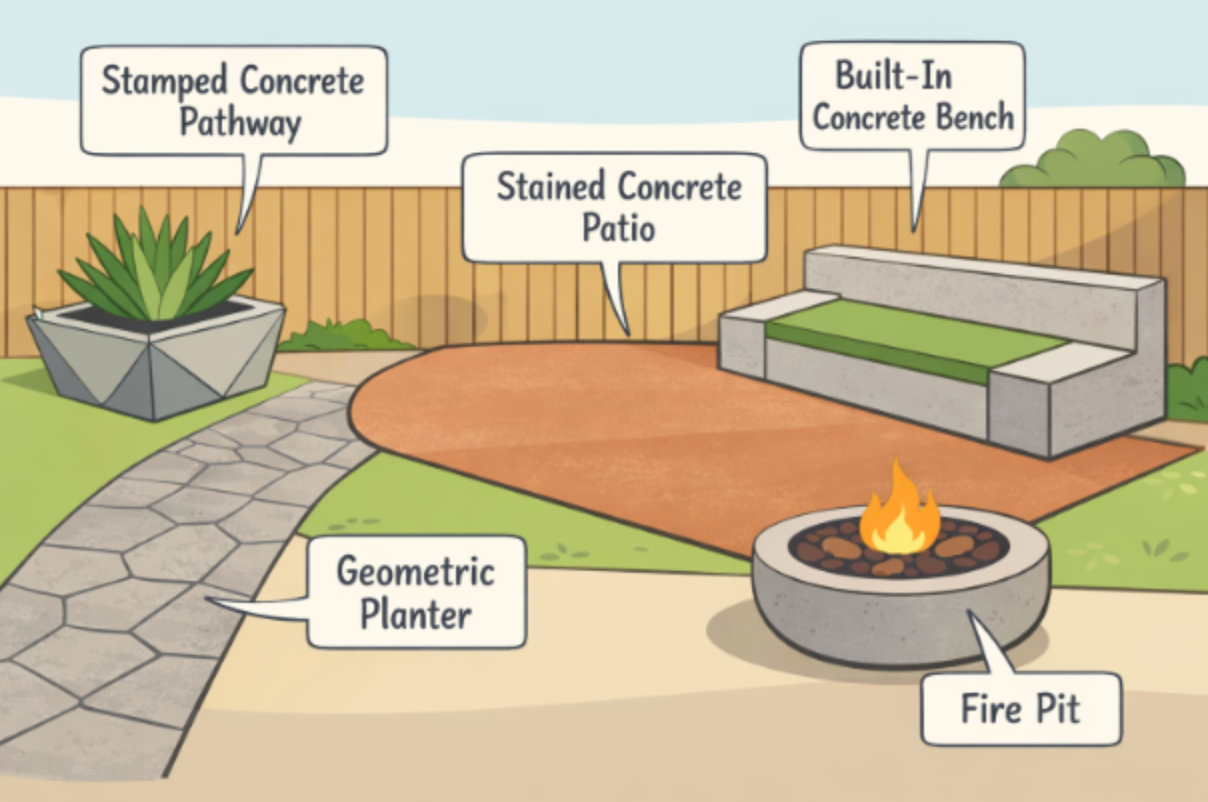
Stamped concrete is a popular choice for creating visually striking patios, pathways, and pool decks. This technique involves pressing molds into freshly poured concrete to recreate the look of stone, brick, tile, or even wood. These patterns not only add decorative flair but also offer a practical alternative to pricier materials. By opting for stamped concrete, homeowners can enjoy the rich, textured appearance of custom masonry at a fraction of the cost.
Patterns such as flagstone, cobblestone, and wood planks are often used to enhance the realism and charm of outdoor spaces. Integrating subtle color changes with stains or dyes also intensifies the texture, providing depth and a natural look. Such durability and adaptability make stamped concrete an attractive choice, especially for areas exposed to heavy foot traffic or diverse weather conditions.
Incorporating Stained Concrete
Concrete staining adds vibrancy and dimension, instantly updating any outdoor area. There are two main staining approaches, acid-based and water-based. Acid stains react with the minerals in concrete, producing earthy, variegated tones that add a sense of uniqueness to each application. Water-based stains, on the other hand, offer a broader color palette, enabling bold design choices and creative personalization.
The flexibility of stained concrete makes it ideal for patios, walkways, and outdoor entertainment spaces. Homeowners can even combine patterns and shades to achieve truly custom finishes. Learn more about the impact of color in landscaping and outdoor design in this Houzz resource on adding color to outdoor spaces. This technique goes beyond aesthetics; it also protects the concrete surface, helping to resist fading and wear over time.
Ensuring Proper Drainage
Effective drainage is vital for concrete surfaces to prevent pooling and minimize long-term moisture-related damage. When planning a new space, it’s important to ensure the slab slopes gently away from any buildings, usually at an angle between 1:60 and 1:80, to facilitate water flow. Adding channel drains or grates can further guide excess water away from the surface.
In regions prone to heavy rainfall, integrating permeable concrete or advanced drainage solutions, such as French drains, is an excellent way to maintain durability and performance. Such techniques prevent water from seeping under the concrete, which can freeze, expand, and ultimately cause cracks or surface degradation. For tips and guidelines on outdoor drainage, refer to the Better Homes & Gardens guide on landscape drainage solutions.
Adding Functional Features
Versatility is one of concrete’s greatest strengths. Rather than sticking only to flat slabs, you can integrate built-in furniture, planters, or fire features directly into your design. For example, a concrete bench along the perimeter of a patio maximizes seating while maintaining a streamlined, modern look. Large, geometric planters can serve as focal points for greenery and link the space visually to garden elements.
Fire pits are another favorite addition for homeowners looking to extend outdoor living into the cooler months. Constructed from durable concrete, these features serve as gathering points that are easy to maintain and highly weather-resistant. By planning these enhancements at the initial design stage, you ensure cohesive aesthetics and long-term utility.
Maintaining Your Concrete Space
Maintenance is key to maximizing the life and appearance of your outdoor concrete. Sealing the surface every 2 to 3 years protects it from moisture, stains, and freeze-thaw cycles. Routine cleaning with mild detergent and water removes dust and organic material that could stain or degrade the finish.
Cracks or chips should be repaired as soon as possible to prevent them from spreading. In high-traffic areas, more frequent sealing and periodic inspections will further extend the lifespan of your investment. When properly cared for, concrete installations provide years of reliable service with minimal upkeep, making them a smart choice for busy homeowners.
Conclusion
Durable, stylish, and endlessly adaptable, concrete remains a top choice for outdoor spaces. With thoughtful design choices like stamping, staining, intelligent drainage solutions, and functional enhancements, you can create an inviting environment that stands the test of time. Regular maintenance will keep these areas looking great, allowing you to enjoy your personalized outdoor retreat for years to come.