Understanding Personal Finance for Beginners
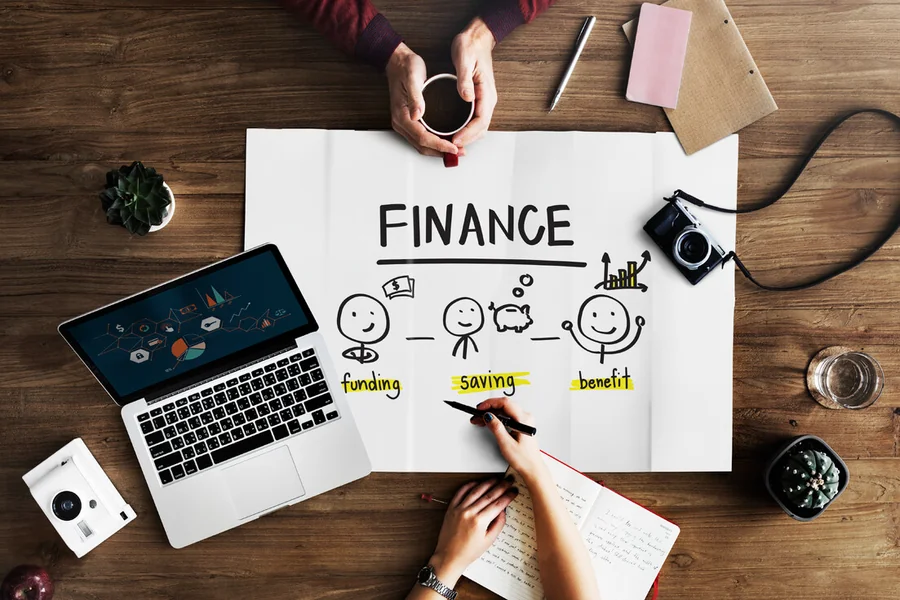
It is personal finance, which means that you should manage your money in a manner that will enable you to realize your goals. It involves earning, spending, saving and investing money. Personal finance is valuable to understand as it enables you to make wise choices and not to be stressed about finances. All people, the high-income earners and the low-income earners can learn how to handle money.
Budgeting: The Foundation of Financial Health
Personal finance has to start with budgeting. It refers to monitoring your revenues and expenditures in order to know where your money is spent. Begin by recording your monthly earnings and your expenses. Divide them into necessities such as rent, food, and transport and non-necessities such as entertainment. This is an attempt to live beneath your income and save the difference. Simple budgeting prevents you being in debt and being ready in the event of an emergency.
Saving Strategies for Beginners
Financial security is essential in saving money. The first thing beginners need to do is to generate an emergency fund. Emergency fund refers to the money that is saved away to cater to unexpected costs such as medical bills or repair of a vehicle. Begin by saving a part of your earnings at the end of every month. It is easy to stick to your plan by automating your savings. Once you have acquired an emergency fund, you can save towards long-term objectives such as home purchase or retirement.
Understanding Debt and How to Manage It
The use of debt may be an advantage when dealing with it adequately; however, it may also bring about financial issues. Novice personal finance people need to understand what good and bad debt are. There is good debt such as loans used to build assets such as a mortgage or a student loan. Bad debt consists of high interest credit cards and payday loans. Never borrow more than you can afford to pay off. It is always better to clear high interest debt first.
Investing: Growing Your Money Over Time
Investing enables your money to increase at a higher rate than when you save. An initial investment can be mutual funds or index funds which are simple to invest in. These bring about diversification and minimize risk. Risk and return are important in successful investment. Do not put your money in place unless you can afford to lose it. By having awareness of stocks, bonds and retirement accounts over time, you will be confident in the decision you will make in terms of making investments.
Planning for Retirement Early
Although retirement may be distant, it is worth planning at an early stage. Personal finance entails looking into the future and ensuring that you have sufficient funds to live a comfortable life in the future. Begin by making deposits to retirement investments like a 401(k) or an IRA. The sooner the better; the more time your money has to multiply by compound interest. Retirement planning also makes you not depend on social security or any other unknown source of income.
Final Thought: Taking Control of Your Finances
Personal financial understanding is all about having control over your life. It provides you with the assurance and the certainty to make decisions that are congruent with your objectives. With budgeting, saving, debt control, investment, and future planning, you will be able to create a good financial base. Consistency and slow learning is the key. Even little actions now will bring financial freedom tomorrow.
FAQs
Why is personal finance important?
It helps manage money effectively, avoid debt, and achieve financial goals.
How do I start budgeting?
Track income and expenses, divide money into categories, and prioritize saving.
What is the importance of saving?
Saving provides security, covers emergencies, and helps achieve long-term goals.
How should beginners manage debt?
Understand interest rates, make timely payments, and avoid unnecessary borrowing.
What is a good way to start investing?
Begin with low-risk options, understand risk tolerance, and invest consistently over time.