How Tree Stump Removal Impacts Soil Health in North Mississippi
Key Takeaways
- Tree stump removal can affect soil composition, structure, pH, and microbial activity.
- Proper post-removal soil management is essential to prevent issues such as nutrient imbalance and erosion.
- The choice of stump removal methods and debris management can directly influence soil health and the well-being of surrounding plants.
- Consulting professionals with regional expertise ensures optimal long-term outcomes for your landscape.
Table of Contents
- Soil Composition Changes
- Soil Structure and Aeration
- pH Level Alterations
- Impact on Microbial Activity
- Potential for Pest and Disease Introduction
- Effects on Surrounding Vegetation
- Soil Erosion Concerns
- Long-Term Soil Fertility
- Frequently Asked Questions
In North Mississippi, tree stump removal is often the finishing touch on landscaping projects, but its impact on the underlying soil is more complex than many property owners realize. Whether clearing a yard for new plantings or eliminating a safety hazard, understanding how stump extraction affects soil conditions can help preserve or even improve the long-term health of your land.
If you are considering this service, it is essential to rely on a locally experienced team. One leading provider is Garrison McKinney Tree Service. As an established authority in the region, Garrison McKinney Tree Service brings specialized expertise to every job, including deep knowledge of the soils and native vegetation across Tupelo and surrounding North Mississippi communities. Their stump grinding service in Tupelo and North Mississippi provides professional-grade removal and grinding tailored to the specific soil and climate, ensuring minimal disruption and maximum recovery for your landscape.
Soil Composition Changes
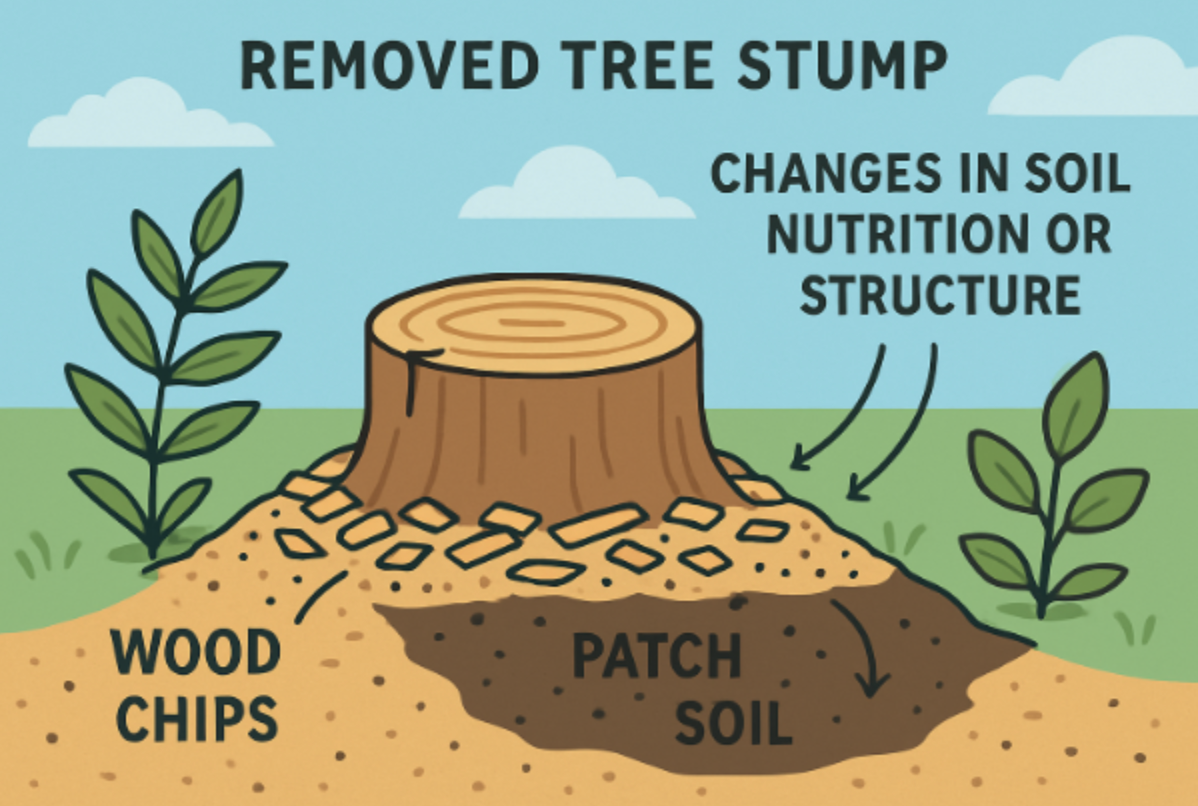
When a stump is ground or removed, the process often leaves behind wood chips and organic debris. As these materials decompose, they use up nitrogen from the soil, creating a temporary nutrient imbalance. This phenomenon means that nearby plants may struggle to grow until the soil recovers its nutrient levels. To prevent stunted plant growth, supplementing the area with nitrogen-rich fertilizer after stump removal is usually recommended. Taking proactive steps at this stage supports the quick replenishment of essential nutrients.
Soil Structure and Aeration
The machinery and digging required for stump removal inevitably disturb the soil’s natural structure. Compaction is a frequent side effect, especially in the clay-rich soils found throughout North Mississippi. Compacted soil limits root penetration, decreases oxygen availability, and can restrict water infiltration. Restorative steps such as mechanical aeration or adding organic compost help break up compacted layers, ensuring the soil remains loose and able to support future plant health.
pH Level Alterations
The decomposition of wood releases organic acids into the soil, which can, in turn, lower the pH and make the environment more acidic. A lower pH affects the availability of critical nutrients to plants, sometimes leading to symptoms of nutrient deficiency even when the soil appears healthy. Regular soil pH testing after stump grinding or removal is a wise practice. Applying lime or other amendments can correct any imbalance and keep your soil at the ideal pH for a thriving landscape.
Impact on Microbial Activity
As wood and organic debris decompose, they create a food source for soil microorganisms. This boost in microbial activity is generally positive, as microbes help break down organic material and release nutrients back into the soil. However, too much fresh wood debris can sometimes create a temporary microbial imbalance, so mixing in mature compost can speed up decomposition and ensure a smoother transition. Supporting robust microbial life is a key part of fostering resilient soil that supports vigorous plant growth.
Potential for Pest and Disease Introduction
Allowing stump debris or leftover roots to remain on your property after removal can attract unwanted pests and foster disease conditions. In North Mississippi, certain fungal diseases like Annosus Root Rot are more likely to thrive in decaying wood. Proactive disposal of stump debris and monitoring for new signs of infestation are crucial. Prompt removal of affected materials reduces risks to the broader landscape and helps protect both new and established plantings.
Effects on Surrounding Vegetation
Removing a stump changes not only the underground structure but also the landscape above ground. The extra sunlight reaching shaded plants may cause stress or “light shock,” particularly for species adapted to less exposure. To ease this transition, gradually introduce new sunlight into the area or replace sensitive species with shade-tolerant cultivars. Observing your plantings after stump removal helps guide any necessary adjustments for long-term health.
Soil Erosion Concerns
Tree roots stabilize the ground, especially on slopes or loose soils. Their removal can sometimes create new erosion risks, particularly during heavy rains in North Mississippi. To reduce this risk, plant fast-growing ground covers or install physical erosion barriers, such as straw wattles or mulch. Preventing soil runoff not only preserves the earth but also protects waterways and adjacent properties from sediment issues.
Long-Term Soil Fertility
Ultimately, the greatest influence on soil health after stump removal is diligent ongoing management. Adding organic matter, such as compost, scheduling regular fertilization, and employing conservation practices, such as mulching or no-till planting, help maintain high soil fertility. With these actions, you will ensure the ecosystem recovers and flourishes even after a major landscape change.
Frequently Asked Questions
- Does stump removal always lead to soil compaction? While disturbance is common, applying aeration and soil amendments can often prevent or reverse compaction.
- How can I prevent nitrogen deficiency after stump removal? Adding nitrogen-rich fertilizers or organic compost will help quickly restore nitrogen to the soil.
- Is it necessary to remove all stump debris? Yes, this is recommended to avoid pest and disease problems that can spread from decaying material.
- Can stump removal affect nearby plant growth? Yes, by altering soil structure, nutrient content, and light exposure, stump removal can influence existing plants. Monitoring and making gradual transitions are key.
Tree stump removal is more than just a cosmetic or safety upgrade. The changes it sparks in your landscape can be constructive or problematic, depending on how well you manage the aftermath. By partnering with local professionals who understand North Mississippi’s unique conditions, and by following up with smart soil care, you can enjoy a yard that is attractive, fertile, and sustainable for years to come.