How Divorce Affects Modern Families
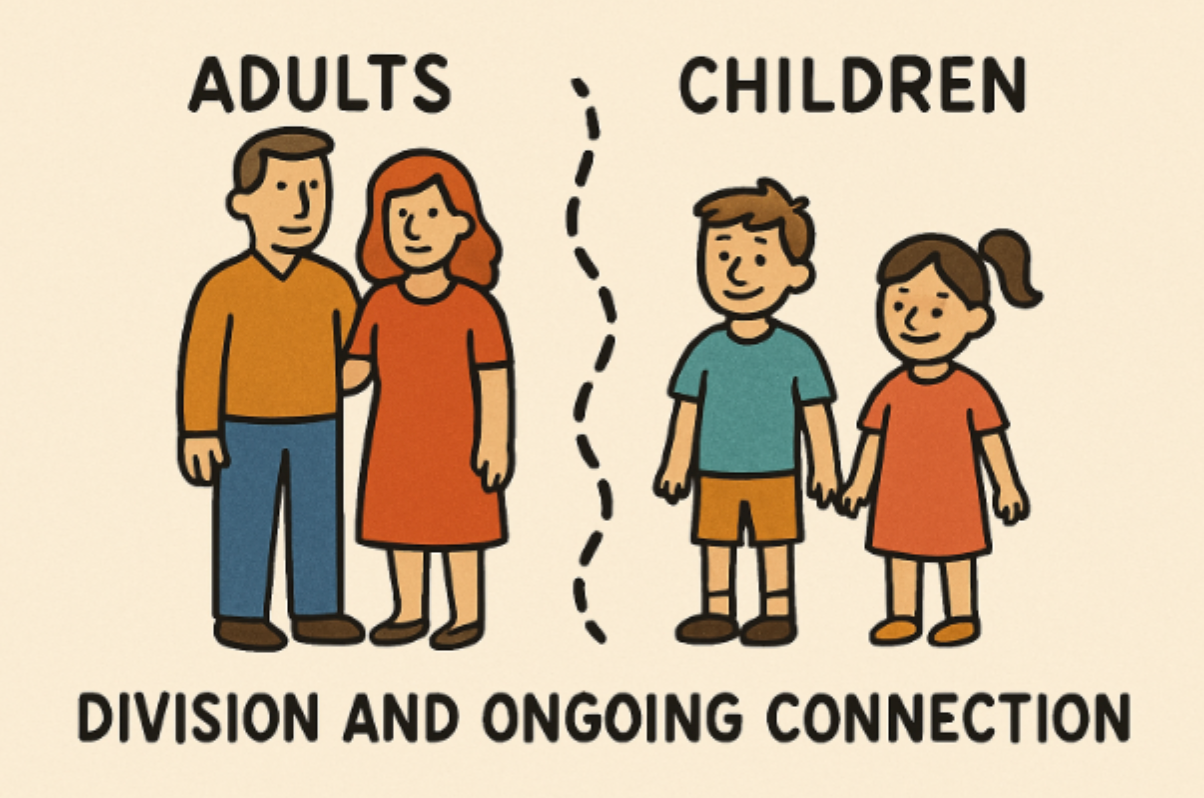
Key Takeaways
- Divorce can create significant financial changes, often leading to reduced household income and higher living costs.
- Children may experience emotional and behavioral changes that can influence their relationships and academic performance.
- The long-term effects of divorce on children may include lower adult income, higher rates of early parenthood, and an increased risk of legal troubles.
- Gray divorce, which occurs among adults over 50, produces special challenges, including the division of retirement assets and maintaining social networks.
- No-fault divorce laws have changed the landscape of how families dissolve marriages, simplifying the legal process.
Table of Contents
- Financial Implications of Divorce
- Emotional and Behavioral Impact on Children
- Long-Term Effects on Children
- Gray Divorce and Its Unique Challenges
- Legal Frameworks and No-Fault Divorce
- Coping Strategies for Families
- Support Systems and Resources
- Conclusion
Divorce is a transformative event that carries profound consequences for families, reshaping everything from their daily routines to their long-term prospects. In today’s world, the end of a marriage can affect financial security, emotional health, and the overall well-being of children and adults alike. For those navigating these challenges, working with a qualified divorce attorney can offer valuable guidance and options during what is often a difficult period.
Adjusting to post-divorce life typically involves learning new ways to cope, rebuild, and support the individuals involved. Both adults and children face emotional hurdles and logistical challenges. Tackling these issues early can help families cultivate greater resilience and a sense of stability as they move forward.
Financial Implications of Divorce
Divorce almost always leads to a reduction in total household income. When two partners separate, they often need to establish separate homes, cover legal fees, and manage increased day-to-day expenses. This strain can mean relocating to less affluent neighborhoods or downsizing living arrangements to meet new financial realities. Single parents may face additional burdens, such as balancing work responsibilities with childcare, which can limit economic opportunities.
Studies reported by the Pew Research Center indicate that women, especially those who leave long-term marriages, are more likely to experience a sharp decline in their standard of living after divorce. The division of marital assets, spousal support determinations, and the challenges of single-income households make financial planning an essential part of post-divorce life.
Emotional and Behavioral Impact on Children
Children often feel the brunt of family instability following a divorce. Emotional responses such as sadness, anger, and anxiety are common and can manifest as behavioral issues at home or in school. Changes in living arrangements and parental roles can create uncertainty, making it more difficult for children to focus on academics or develop healthy social relationships.
The disruption of a traditional family structure may result in children forming divided loyalties or feeling pressure to “choose sides” during conflicts. The potential for frequent changes, including moving to a new home or adjusting to a different school environment, can amplify feelings of insecurity and stress among children.
Long-Term Effects on Children
The consequences of parental divorce can carry into adulthood. Children who experience divorce before age five are more likely to earn less as adults, face increased risk of teen pregnancy, and are more susceptible to incarceration. These long-term effects are closely tied to the cumulative impact of reduced family resources, potential loss of important social connections, and diminished parental guidance during formative years.
Many children also report challenges in trust and relationship stability later in life. Learning to cope with family upheaval early on can shape future attitudes toward marriage, commitment, and emotional openness.
Gray Divorce and Its Unique Challenges
Gray divorce, a term for divorce among adults aged 50 and older, has increased in recent decades. The complications in these cases often extend beyond dividing property. Retirement savings, pension plans, and long-established joint assets must be carefully allocated, potentially impacting financial security during later life. Additionally, older adults may find it more difficult to manage health issues, maintain social ties, or adjust to independent living after decades in a partnership.
Gender plays a role in outcomes as well. Women may experience greater financial hardship if they have relied on a partner’s income or benefits. Reconstructing a sense of identity and support is an essential part of thriving after a midlife divorce.
Legal Frameworks and No-Fault Divorce
No-fault divorce laws have significantly changed the way families approach ending a marriage. Couples no longer need to prove wrongdoing or assign blame as grounds for separation. Instead, irreconcilable differences are often enough. This shift has quickened the legal process in many jurisdictions and decreased the personal conflict inherent in older fault-based systems. However, debates continue regarding whether streamlined divorce laws contribute to higher divorce rates, and there is ongoing discussion about how these legal developments affect children and social stability.
Coping Strategies for Families
Developing effective coping mechanisms can ease the transition for families experiencing divorce. Maintaining open and honest communication is crucial, allowing all family members to express concerns and ask questions. Professional counseling offers essential support for both adults and children, helping them manage grief, adapt to new routines, and rebuild confidence after a major change. Setting predictable schedules and clear boundaries can reduce anxiety and promote a sense of normalcy.
Support Systems and Resources
Leveraging strong support networks is key to resilience during and after divorce. Friends, extended family, and community-based organizations provide practical assistance and emotional reassurance. Many families also find value in connecting with local support groups that understand their unique challenges. For legal questions, consulting a divorce attorney ensures rights are protected and complex procedures are handled smoothly.
Conclusion
Divorce profoundly affects modern families, introducing changes that extend well beyond the dissolution itself. By understanding the diverse impacts and proactively seeking out support and strategies, families can manage the transition while building a foundation for future resilience. Accessing professional help, including legal advice and counseling, supports healthier adjustments and strengthens the family’s ability to thrive after difficult changes.