Healpsorin Body Oil – The Case for Oil-Based Therapy in Dry, Psoriatic and Sensitive Skin
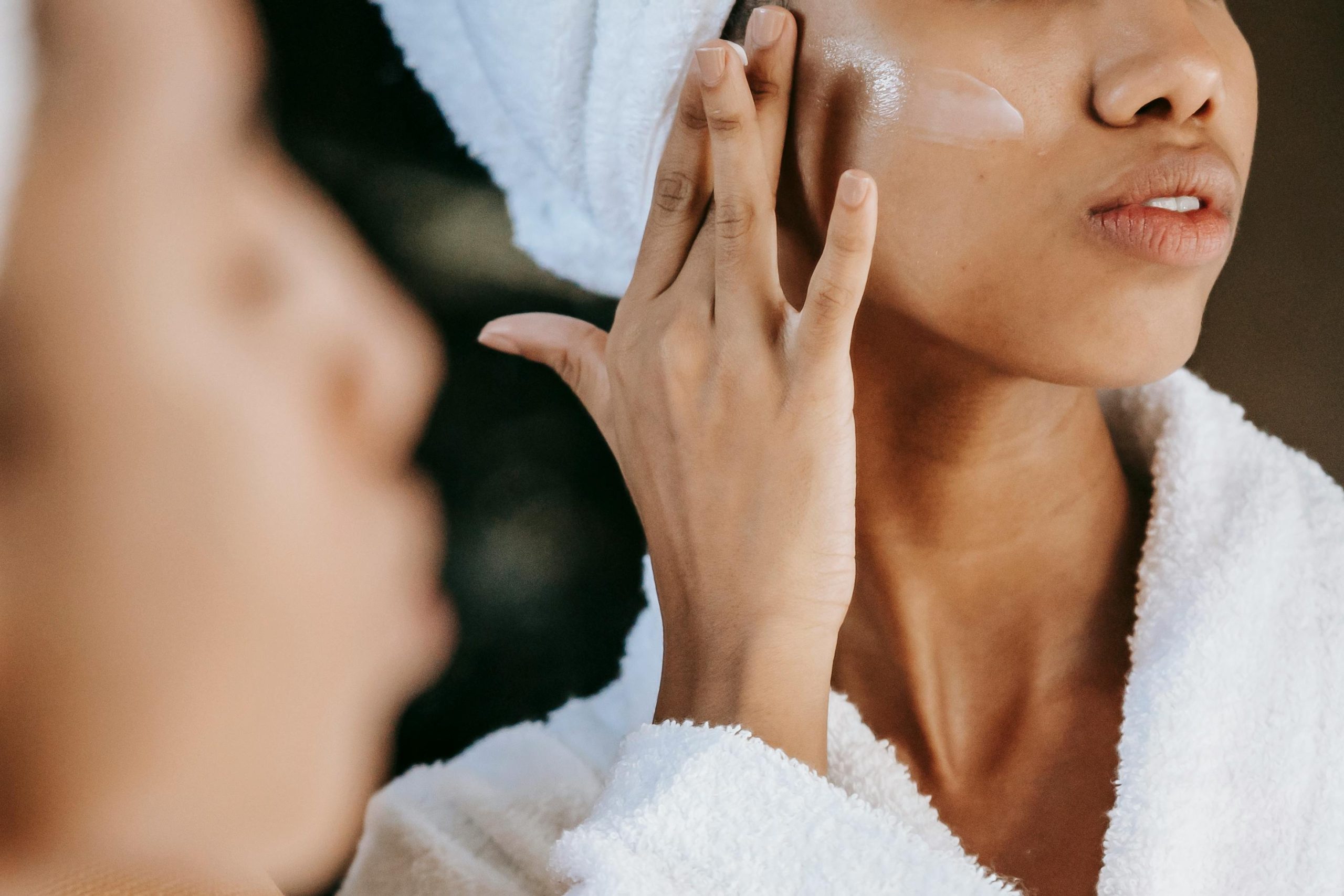
Body oils occupy an interesting position in the skincare landscape. For years they were considered a luxury product – pleasant to use but not particularly therapeutic. That perception has shifted significantly as the understanding of skin barrier function has deepened. Oils aren’t just emollients in a different format – they interact with the skin’s own lipid structure in ways that creams and lotions can’t replicate, and for certain skin types and conditions they offer advantages that other formats simply don’t match. For people with psoriasis, severely dry skin or atopic dermatitis, a well-formulated body oil can be a genuinely transformative addition to a daily skincare routine.
How Oils Work Differently From Creams and Lotions
To understand why body oils matter therapeutically, it helps to understand what distinguishes them mechanically from water-based formulations. Creams and lotions are emulsions – mixtures of water and oil held together by emulsifiers. They feel lighter on application, absorb quickly and deliver a combination of hydration and occlusion. Their water phase evaporates after application, which contributes to the feeling of rapid absorption.
Oils are anhydrous – they contain no water. This means they work purely as emollients and occlusives, sitting on the skin surface and within the upper layers of the stratum corneum, filling the gaps between skin cells and dramatically reducing transepidermal water loss. They don’t add water to the skin directly – instead they create the conditions in which the skin’s own moisture is retained more effectively.
For very dry or psoriatic skin, this distinction is clinically relevant. The skin barrier in psoriasis and atopic dermatitis is deficient in specific lipids – ceramides, free fatty acids and cholesterol – that are essential to its structure and function. Oils rich in fatty acids that mirror this lipid composition can integrate into the barrier structure in a way that water-based formulations cannot, providing more sustained repair rather than temporary surface hydration.
The Role of Specific Fatty Acids in Psoriatic Skin Care
Not all oils are equal in their therapeutic relevance for psoriatic or atopic skin. The fatty acid composition of an oil determines how well it interacts with the skin’s own lipid structure and what specific benefits it delivers.
Linoleic acid – an omega-6 fatty acid found in high concentrations in oils such as rosehip, sunflower and evening primrose – is particularly relevant for compromised barrier skin. Research has documented that atopic and psoriatic skin is deficient in linoleic acid, and topical application of oils rich in this fatty acid supports barrier restoration more effectively than oleic acid-dominant oils.
Omega-3 fatty acids, found in flaxseed and certain marine-derived oils, have documented anti-inflammatory properties that may be beneficial for the chronic low-grade inflammation underlying psoriasis. Alpha-linolenic acid in particular has been studied for its effects on inflammatory skin conditions.
Saturated fats – present in coconut oil and shea-derived ingredients – provide strong occlusive properties, making them effective at reducing water loss on very dry or heavily scaled areas.
Healpsorin Body Oil – Formulation and Application
Healpsorin Body Oil is formulated with the specific needs of psoriatic and dry skin in mind, combining emollient oils selected for their fatty acid profiles with ingredients that support skin barrier function and provide soothing properties for inflamed or irritated skin.
The format is designed for practical daily use – a body oil that absorbs well enough to be applied in the morning without leaving clothing uncomfortably greasy, while being rich enough to provide meaningful barrier support throughout the day. The balance between absorbency and occlusion is one of the most technically challenging aspects of body oil formulation for therapeutic use, and it’s what distinguishes a well-formulated therapeutic oil from either a heavy ointment or a light, fast-absorbing but superficial oil.
Application to slightly damp skin – immediately after showering and patting dry – significantly enhances the oil’s effectiveness. The residual moisture on the skin surface is sealed in by the oil, dramatically increasing the hydration benefit compared to application on completely dry skin.
When to Choose Oil Over Cream – and When to Use Both
The choice between a body oil and a cream or balm isn’t necessarily either/or. For many people with psoriasis or severely dry skin, the most effective approach combines formats strategically rather than treating them as alternatives.
Several situations where oil-based therapy offers specific advantages:
- Very dry, non-inflamed skin – where the priority is intense moisturisation and barrier occlusion rather than active ingredient delivery
- Post-bath application – oils seal in post-bath moisture exceptionally effectively and can be used alone on non-affected areas while richer balms or creams address psoriatic plaques specifically
- Night-time use – applied at night under light clothing or bedding, a body oil can work for extended periods without the social considerations of daytime application
- Scalp psoriasis – light oils applied to the scalp and left overnight can soften scale effectively before washing, making them a useful complement to medicated shampoos
- Mild maintenance – during periods of remission, a daily body oil application may provide sufficient barrier support without the weight of a richer cream formulation
Using oil and cream together is also a well-established approach. Applying a body oil first, then layering a cream or balm over it, creates a combination of lipid replenishment and surface occlusion that can be more effective for severely compromised skin than either product alone.
Psoriasis and the Psychological Dimension of Skincare
It would be incomplete to discuss psoriasis skincare without acknowledging the psychological dimension of the condition. Psoriasis is not just a skin disease – it’s a condition that affects self-image, social confidence, intimate relationships and mental health in ways that are consistently documented in research but often inadequately addressed in clinical settings.
The visibility of psoriatic plaques, the unpredictability of flares and the chronic nature of the condition create a psychological burden that is independent of the physical symptoms and that doesn’t necessarily correlate with disease severity. People with mild psoriasis can experience significant psychological distress, while some people with extensive disease develop robust coping strategies that allow them to live with minimal impact on quality of life.
Skincare routines matter psychologically as well as physically in this context. Having a consistent, effective routine provides a sense of agency and control over a condition that otherwise feels uncontrollable. Products that genuinely improve skin condition – reducing scaling, relieving itch, smoothing texture – deliver tangible quality-of-life benefits that extend beyond the skin itself.
Building a Complete Routine With Healpsorin Body Oil
A body oil works best as part of a coordinated routine rather than as a standalone product. For psoriatic or severely dry skin, a complete approach might look like this – a gentle, barrier-preserving cleanser as the foundation, a body oil applied immediately after washing to seal in post-bath moisture, a therapeutic cream or balm on areas of active psoriasis or particularly dry skin, and prescribed topical treatments applied as directed by a dermatologist on affected areas.
DermzLabs develops a range of therapeutic skincare products specifically formulated for psoriasis, atopic dermatitis and other conditions characterised by compromised skin barrier function.