
Karma Stone is rarely a reference to a single mineral with a geological name. It is often used as a popular shorthand for any material that is associated with balance, cause and effect, intention, or emotional center. This is important because consumers might think they are ordering a single product when they are actually forging a category based on branding strategy, ritualistic description, and shopping patterns. Sifting through this confusion avoids frustration. And it reinforces the importance of other tangible considerations such as material, durability, finish, claims of origin, and intended use.
What’s meaningful about the name
The power of Karma Stone comes from its notion of responsibility. Karma suggests that behavior has social, psychological and, or spiritual effects and a stone that evokes that idea becomes a portable symbol of behavior. This is more potent than amorphous wellness charms because it refers to conduct. But symbols have a context. A stone can be reflective, but it can’t be responsible, make amends, or actually change the results. Used well, the name suggests mindfulness. It can encourage religious fetishism.
What kinds of material is it sold as
Depending on the tale they are trying to sell, retailers may offer agate, obsidian, onyx, jasper, lava stone or composite beads as Karma Stones. Opaque, dark and speckled materials are often used because they look high-minded. The problem this presents is that the same product could be hard or soft, porous or not, heavy or light, and require differing care. Porous beads behave differently from polished onyx, and dyes run from dyed stones. Those who want to judge quality should inquire about the material before interpreting the intended object.
The role of symbolism
Many people purchase Karma Stone because they believe they need an object that translates notions into triggers. This can be a good thing. Things modify behavior by breaking habits, just as a ring reminds us to correct postures or a planner helps us plan. This is where symbolism goes wrong. Seeking a stone to cure anxiety, or relationship or motivational issues is frustrating as habits are changed through practice, not ownership. What’s realistic: a physical object that helps intentions when combined with action, reflection and supportive environments that reinforce agreed-upon values.
How we encounter it in daily life
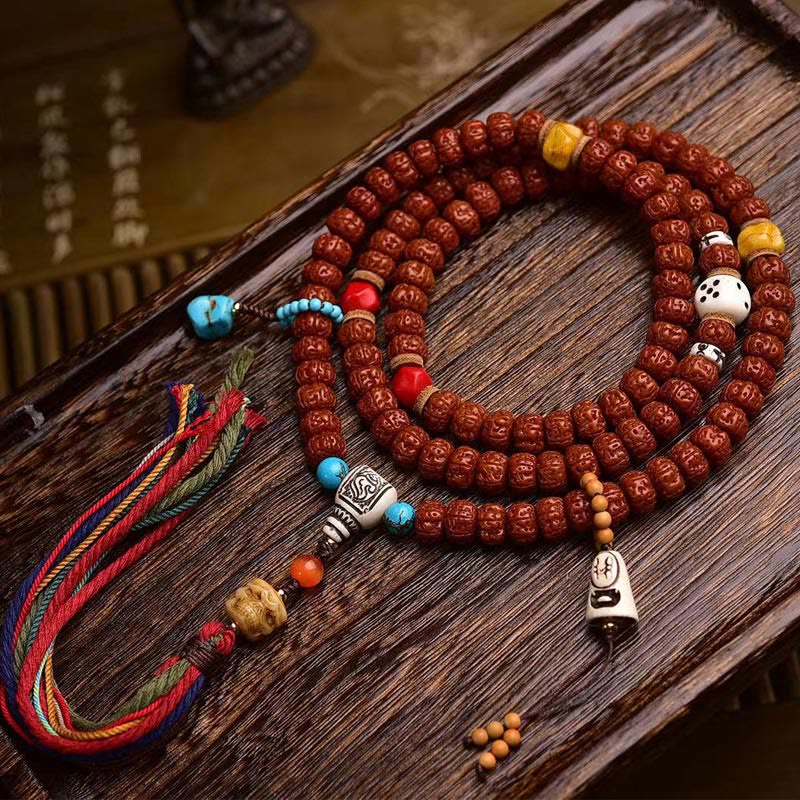
Karma Stone is typically sold as bracelets, pendants, worry beads, desk accessories and table meditation accessories. The most common are pieces of jewelry because bothersome bracelets are more likely to remind one of their symbolic purpose. The bracelet, but not the display figure, goes into stressful situations, conversations, checkouts and time passes. That increases its cue value. But design details are critical to function. Large beads can be uncomfortable, rough edges can entangle, and elastic cords will stretch and break. Ornaments have fewer wearing issues, but they are often less relevant because they are objects, rather than friends.
How to gauge value clearly
Good judgment begins with quality. If you’re sold a Karma Stone using spiritual language, but not specifying the material, treatment or country of origin, be wary. Look at how the drilling, polishing, color, strand tension, clasp, and dye/resin (if any) are. Variation is to be expected, but wear should be consistent, not bothersome. Jewelry needs to be fit for purpose. A decently finished piece with a plainspoken description has greater value than an over-storied piece with poor construction.
Maintenance alters the experience
Care is not incidental because different gemstones react in different ways to water, oil, acid, light, abrasion and shock. Jewelry made of porous lava stones can absorb oils and perfumes and dyed agate can fade with heavy cleaning. Some softer materials wear through and get scratched easily when bracelets are worn together, and glued attachment points often give out before the stone itself. For this reason, care should determine the buying strategy. Someone who wants more durable daily wear may want cheaper stones and more durable settings. If the object is to be used as a ritual, and only worn a couple of times a year, softer materials can be allowed.
What do you make of price?
Price can be more a function of branding, packaging, and mystique than material costs. When purchasing Karma Stone products, value should be assessed by a combination of material truth, material quality, design usefulness and wearability of the object. An inexpensive plastic bracelet worn daily to encourage meditative practices may be a better value than a costly one stowed away. For example, low prices may indicate unstable dye, unnatural synthetic fillers, or shoddy workmanship. It is only worth spending more if there is a tangible benefit in quality, comfort, design or aesthetics.
What it can and cannot do
What you can claim about Karma Stone is that it can be used as a behavioral cue. Anchoring a response to anger with a touch on a string of beads is one way to pause and think. This is a psychological, not magical, factor, and it is plausible because cues influence attention. The stone does not erase the reasonable consequences of one’s actions; make poor choices disappear; or replace therapy, apology or practice. It is useful for reinforcement. Expecting more than reinforcement is like imbuing a stone with unsupported, impossible responsibilities.
Final Thought
The ideal candidates are tactually responsive people and symbolically responsive people. These people may benefit from Karma Stone not for what it does, but for its tangibleness. Students can use it as a message-prep cue, businesspeople can use it, coupled with a breathing exercise, before business meetings, and meditators can use it to ease into meditation. It won’t work for those who despise ritualistic objects or expect instant improvements in life, even if made of gold and diamonds.
FAQ
What is it in simple terms?
It is usually a symbolic retail label for an object meant to represent balance, intention, or consequence.
Is it one specific mineral?
Usually not. Different sellers may use different stones, so the exact material should be named separately.
Can it change health or relationships?
No. At most, it can support habits of attention, pause, or reflection that people intentionally practice.
How should it be cleaned?
Use gentle cleaning based on the actual material. Avoid harsh chemicals, long soaking, and unnecessary sun exposure.
Does a higher price guarantee quality?
No. Better value comes from honest material disclosure, comfort, build quality, and durability in real use.