How Safe Driving Habits Can Help Prevent Car Accidents
Key Takeaways
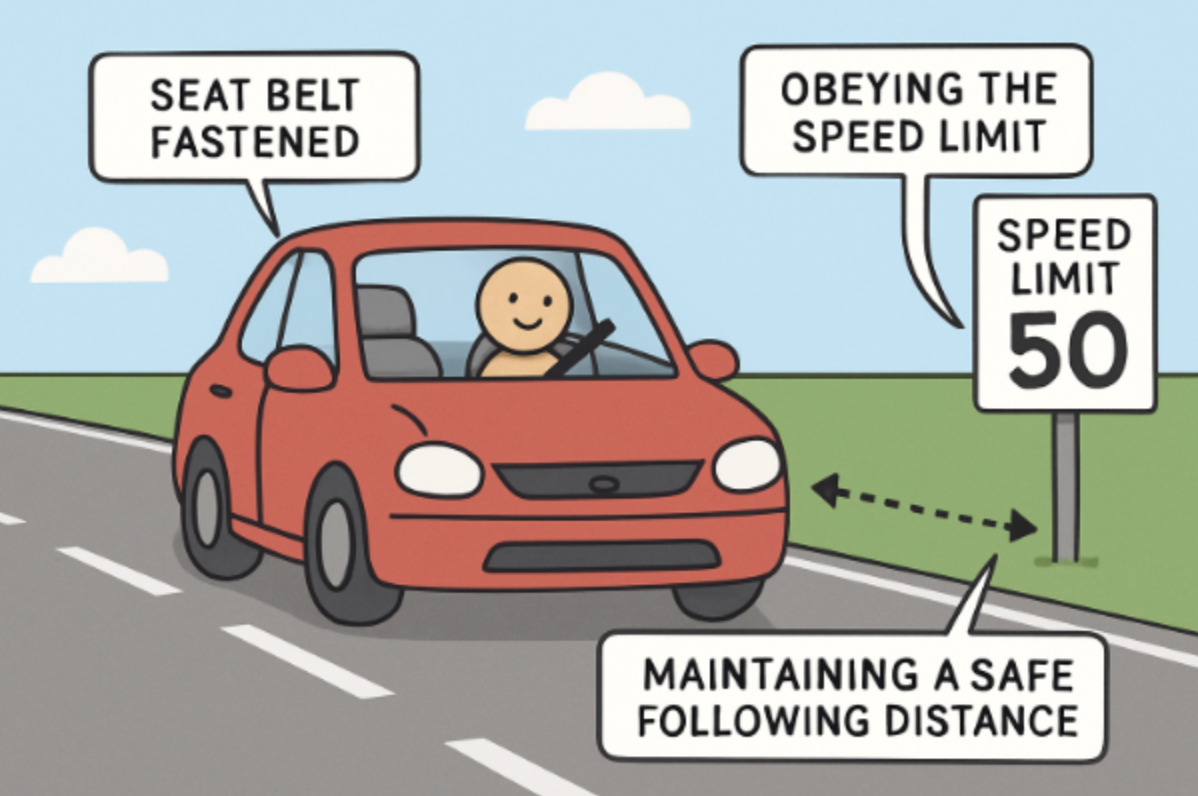
- Always use your seat belt to ensure your safety and your passengers’ safety.
- Complying with speed limits and minimizing distractions are fundamental for accident prevention.
- Routine vehicle maintenance can prevent unforeseen mechanical failures.
- Advanced driver-assistance systems (ADAS) provide additional safety features when used properly.
- Consistently adopting defensive driving techniques can help anticipate and avoid others’ mistakes.
- Education and awareness play crucial roles in promoting long-term safe driving habits among both new and experienced drivers.
Car accidents can occur in an instant, often leaving drivers, passengers, and pedestrians facing serious consequences. While some accidents result from uncontrollable factors like weather or mechanical failures, many are caused by preventable human errors. Developing safe driving habits, such as maintaining appropriate speed, avoiding distractions, and consistently using seat belts, can significantly reduce the likelihood of collisions. These practices not only protect individuals but also contribute to safer roads for everyone, fostering a culture of responsible driving. Awareness of traffic laws, careful observation of road conditions, and patience behind the wheel all play crucial roles in minimizing risks and preventing accidents before they happen.
In addition to practicing safety measures, staying informed about local driving regulations and resources can further enhance road safety. For example, drivers can visit website that provides educational materials, traffic updates, and guidance on defensive driving techniques to improve their skills continually. By combining practical driving habits with readily available information, drivers can take proactive steps to reduce accidents and promote a safer driving environment for themselves and others. Developing these habits is a long-term commitment that benefits the entire community.
Always Wear Your Seat Belt
Wearing your seat belt should be the first step before starting any journey. Seat belts are proven to significantly decrease the chances of fatalities and serious injuries in car accidents. The Centers for Disease Control and Prevention notes that seat belts reduce the risk of death by nearly half for front-seat occupants. This simple habit is not only a matter of personal safety but is also required by law in most states.
Drivers who ensure all passengers are buckled up demonstrate leadership and responsibility, fostering a safety-conscious culture in their vehicles. Instilling this habit in young or inexperienced drivers is particularly important, as it sets the stage for lifelong compliance and prioritization of road safety.
Obey Speed Limits
Following posted speed limits is more than a matter of legal compliance. Driving too fast can undermine a driver’s ability to react to sudden hazards, increasing both the likelihood and severity of a crash. Adjusting your speed according to road, traffic, and weather conditions is key to maintaining control and reducing collision risks.
Staying aware of changing speed limits in construction zones and school areas is particularly critical for reducing risks. These zones are frequently monitored, and failing to comply not only endangers lives but can also result in steep fines and legal ramifications.
Avoid Distracted Driving
Modern vehicles are equipped with many features that can distract a driver from the road. Activities like texting, eating, or adjusting navigational devices may not seem hazardous, but can have dire consequences. The U.S. Department of Transportation reports that distracted driving is a leading cause of crashes, especially among young drivers. Adopting a zero-tolerance approach to distractions means stowing your phone and focusing solely on driving until you reach your destination.
Utilizing hands-free technology responsibly and pre-setting controls before you embark can contribute to a more attentive and controlled driving experience. Developing the habit of minimizing interruptions and addressing potential distractions before you drive further increases safety and reduces avoidable risks.
Maintain a Safe Following Distance
Keeping a safe distance between vehicles is essential, especially in unpredictable traffic conditions. Experts recommend maintaining a minimum three-second gap to allow sufficient time for sudden stops. In poor weather or low-visibility conditions, increase this distance to reduce further your risk of rear-end collisions. This habit not only helps keep you safe but also gives other drivers more room to maneuver.
Practicing patience and anticipating the actions of vehicles ahead, such as unexpected stops or lane changes, enables you to respond calmly and effectively, preventing chain-reaction accidents during heavy traffic or adverse conditions.
Regular Vehicle Maintenance
A well-maintained vehicle is less likely to break down or pose a hazard on the road. Schedule regular inspections of your brakes, tires, lights, and fluid levels. Preventive maintenance, such as keeping your tires properly inflated and your brakes responsive, can be a decisive factor in emergencies. Vehicle manufacturers provide guidance on service intervals; review your owner’s manual and follow the recommended schedules.
Addressing minor issues before they escalate into major problems not only preserves your car’s value but also guards against sudden mechanical failures that could lead to collisions or dangerous roadside breakdowns.
Utilize Advanced Driver-Assistance Systems (ADAS)
Many modern vehicles are equipped with advanced driver-assistance systems. Features such as lane-keeping assist, blind-spot monitoring, and adaptive cruise control support driver awareness and reaction time. Learning how to use these features correctly enhances your safety and helps prevent accidents. These systems are designed to supplement, not replace, attentive driving. Relying on them while remaining alert ensures optimal benefit from technology.
Ongoing education about how ADAS features work, their limitations, and regular software updates can further improve road safety and boost your confidence in a variety of driving scenarios.
Stay Alert and Avoid Impairment
Driver impairment caused by alcohol, drugs, or fatigue is a substantial factor in many car accidents. The CDC highlights that drowsy driving can have similar effects on reaction time as alcohol impairment. Make it a point to drive only when well-rested and sober; if you find yourself fatigued, pull over and rest. Avoiding impairment is one of the most impactful decisions you can make to keep roads safer.
If you are feeling ill or emotionally distressed, waiting until you are fit to drive or arranging alternative transportation can further ensure you’re not endangering yourself or others. Never hesitate to ask for a ride or use a ride-share service if needed.
Conclusion
Developing and sticking to safe driving habits yields lasting benefits for everyone on the road. Simple actions like fastening your seat belt, maintaining your vehicle, and minimizing distractions can dramatically reduce the chances of accidents. By blending responsible driving with an informed use of technology, drivers can protect themselves and others, making travel safer for all. Keep these habits in mind every time you get behind the wheel, and remember that your choices matter, no matter how far you travel.
Making a habit of ongoing learning and reviewing current traffic laws, safety recalls, and vehicle updates ensures you adapt to changes and continually improve your safety awareness. When every driver strives to uphold high standards, communities see fewer injuries, greater peace of mind, and fewer road tragedies.