
Table of Contents
- Advancements in Energy Efficiency
- Zoning Capabilities for Personalized Comfort
- Integration with Smart Home Technology
- Improved Indoor Air Quality
- Eco-Friendly Refrigerants and Sustainability
- Retrofitting Older Homes with Modern Systems
- Cost Savings and Incentives
- Conclusion
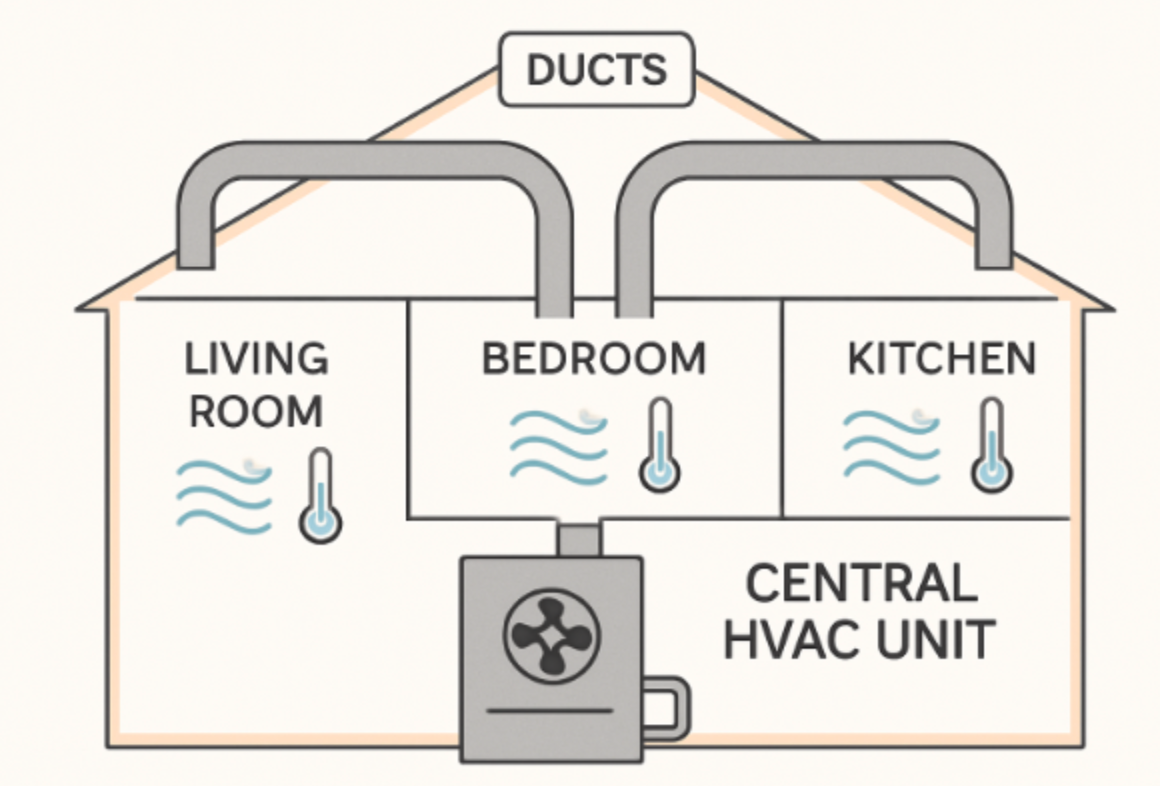
Central ducted HVAC systems have been a reliable solution for home heating and cooling, known for distributing climate-controlled air throughout a dwelling via ductwork. Today, evolving technology and innovative design are refining these systems to deliver higher energy efficiency, improved comfort, and smarter adaptability to the dynamic needs of homeowners. For those exploring new solutions, such as a ducted heat pump system, these advancements signal enhanced value and performance.
Homeowners now enjoy greater control over their indoor environment thanks to these systems. Customizable zones, better air quality, and seamless integration with smart home devices collectively raise the comfort standard. Retrofit options for older properties and sustainable refrigerant choices further highlight how central ducted HVAC systems are keeping pace with today’s sustainability goals and modern lifestyles.
Advancements in Energy Efficiency
Innovations in central ducted HVAC technology have delivered dramatic improvements in energy efficiency. Today’s systems often feature variable-speed compressors and advanced heat exchangers, enabling precise modulation of heating and cooling output as needed and minimizing wasted energy. The U.S. Department of Energy reports that upgrading to a high-efficiency HVAC system can reduce energy use by up to 20%, resulting in lower utility bills and a smaller environmental footprint. Manufacturers continue to refine their designs to raise SEER and HSPF ratings year after year, meeting tightening regulatory standards and consumer demand for sustainability.
Zoning Capabilities for Personalized Comfort
Modern central ducted HVAC systems increasingly offer zoning options, allowing homes to be divided into multiple zones with their own thermostats. This means families can cool or heat only the rooms in use, optimizing comfort and efficiency. For example, bedrooms can be kept cooler at night while common areas remain at a different temperature. According to the Environmental Protection Agency, advanced zoning can reduce energy waste and improve overall home performance by tailoring temperatures to each area’s specific needs. This personalization is a sought-after benefit for many households seeking to enhance home comfort while keeping costs down. Learn more about programmable thermostats from the U.S. Department of Energy.
Integration with Smart Home Technology
Smart home integration is redefining the operation of central ducted HVAC systems. Using Wi-Fi-enabled thermostats and interconnected sensors, users can remotely control and monitor their HVAC systems, ensuring optimal climate conditions at all times. Automated scheduling adapts the temperature based on daily routines, occupancy patterns, and even real-time weather data. Reports from the American Council for an Energy-Efficient Economy highlight that smart thermostats can save homeowners an average of 10% on annual heating and cooling costs. These technologies deliver a new level of convenience while optimizing performance and reducing energy consumption.
Improved Indoor Air Quality
With the heightened awareness of indoor air quality, HVAC manufacturers now prioritize advanced air purification and ventilation solutions in their systems. Newer models incorporate HEPA filters that capture fine particulates and UV light technology that neutralizes airborne bacteria and viruses. These features are especially valuable for households with allergy sufferers, children, or the elderly. Clean, filtered air can alleviate respiratory symptoms and promote overall wellness, making indoor air quality improvements among the most valuable advances in central ducted HVAC technology. The Centers for Disease Control and Prevention explains the importance of proper ventilation for healthy indoor air.
Eco-Friendly Refrigerants and Sustainability
Environmental awareness is driving significant transformation in the HVAC industry, as both consumers and regulators increasingly prioritize sustainability. Traditional refrigerants like R-22 are being phased out due to their high global warming potential, and are being replaced by more eco-friendly alternatives such as R-410A and emerging next-generation refrigerants. These newer solutions not only reduce harmful greenhouse gas emissions but also ensure that homes remain compliant with evolving environmental regulations. By embracing these innovations, homeowners can maintain efficient climate control, lower energy usage, and support broader efforts to combat climate change. Forward-thinking adoption of sustainable HVAC technologies positions households for long-term environmental and financial benefits.
Retrofitting Older Homes with Modern Systems
The adaptability of modern central ducted HVAC systems makes them ideal for a wide range of properties, from newly built residences to older homes seeking climate-control improvements. Featuring compact, modular air handlers and versatile ductwork, these systems allow for streamlined installation with minimal disruption to existing structures. Homeowners can enjoy advanced heating and cooling efficiency while preserving architectural integrity, even in historic or space-limited settings. This flexibility ensures high-performance temperature management is accessible without extensive remodeling, structural alterations, or aesthetic compromises, seamlessly integrating comfort and energy efficiency into any living environment.
Cost Savings and Incentives
Upgrading to a modern central ducted HVAC system offers homeowners substantial financial benefits. These systems are designed to improve energy efficiency, resulting in lower utility bills and reduced long-term operational costs. Beyond direct savings, federal, state, and local programs offer additional financial incentives, such as tax credits, rebates, and other funding opportunities, helping offset installation costs. Homeowners can stay informed about these benefits through authoritative resources such as the Energy Star program, which tracks eligible systems and incentives. By leveraging these programs, upgrading to an HVAC system becomes more cost-effective, accelerating payback while enhancing comfort, efficiency, and home value.
Conclusion
Central ducted HVAC systems have evolved significantly, offering far more than basic heating and cooling. Modern designs prioritize energy efficiency, lowering utility costs while reducing environmental impact. Homeowners enjoy personalized comfort through zoned temperature controls, smart thermostats, and seamless integration with connected devices. Advanced filtration and ventilation technologies promote healthier indoor air, minimizing allergens and pollutants. Sustainable materials and eco-conscious refrigerants further enhance environmental benefits. These innovations not only improve day-to-day comfort but also support long-term savings and wellness. As manufacturers continue refining technology, central ducted HVAC systems remain a cornerstone of residential climate solutions, ensuring homes remain efficient, comfortable, and inviting for decades to come.